An Oklahoma Judge Calls Flock's Plate Network Indiscriminate Mass Surveillance
A federal judge in Oklahoma suppressed 91 pounds of meth evidence after ruling that a Flock plate query was an unconstitutional search, and called the network indiscriminate mass surveillance.
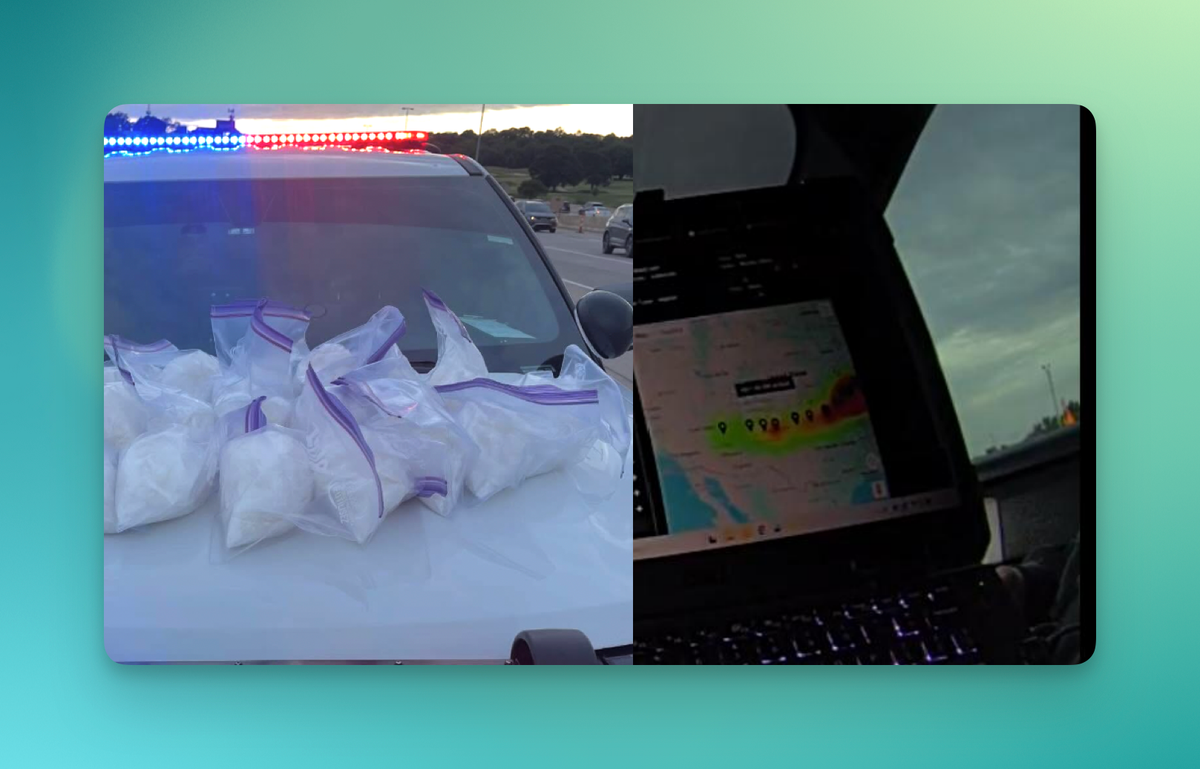
A federal judge in Oklahoma suppressed 91 pounds of meth and everything else found in Melisa Kyle’s car, along with the Flock records that led a deputy to it, ruling that the plate query behind the stop was an unconstitutional search. Judge Sara Hill called the network “a type of indiscriminate mass surveillance” and wrote that the deputy should have obtained a warrant before he ran the plate.
The stop began in May, when Tulsa County Deputy Sheriff Freddie Alaniz followed a Mazda with California plates and ran the plate through Flock. He pulled Kyle over for changing lanes without a turn signal, made her account for the last several days, and checked her answers against the system. He told her he suspected trafficking because her time in California was short.
The Flock query alone gave Alaniz more than 50 records of Kyle’s whereabouts across the country for an entire month, Hill wrote in her opinion, and that travel history was part of his stated reason to search. Her opinion is one of the first times a federal judge has found a Flock search unconstitutional, and several similar cases remain open. Audit logs show more than a hundred thousand warrantless Flock searches a month.
Other courts have held that a plate is in public, so no search occurred; Hill answers that those rulings never weighed a network “approaching dragnet-type law enforcement practice.” Her opinion binds nobody outside her courtroom, but the reasoning is on paper now: one driver’s month, itemized in more than 50 records. Ask your city for the Flock audit logs.